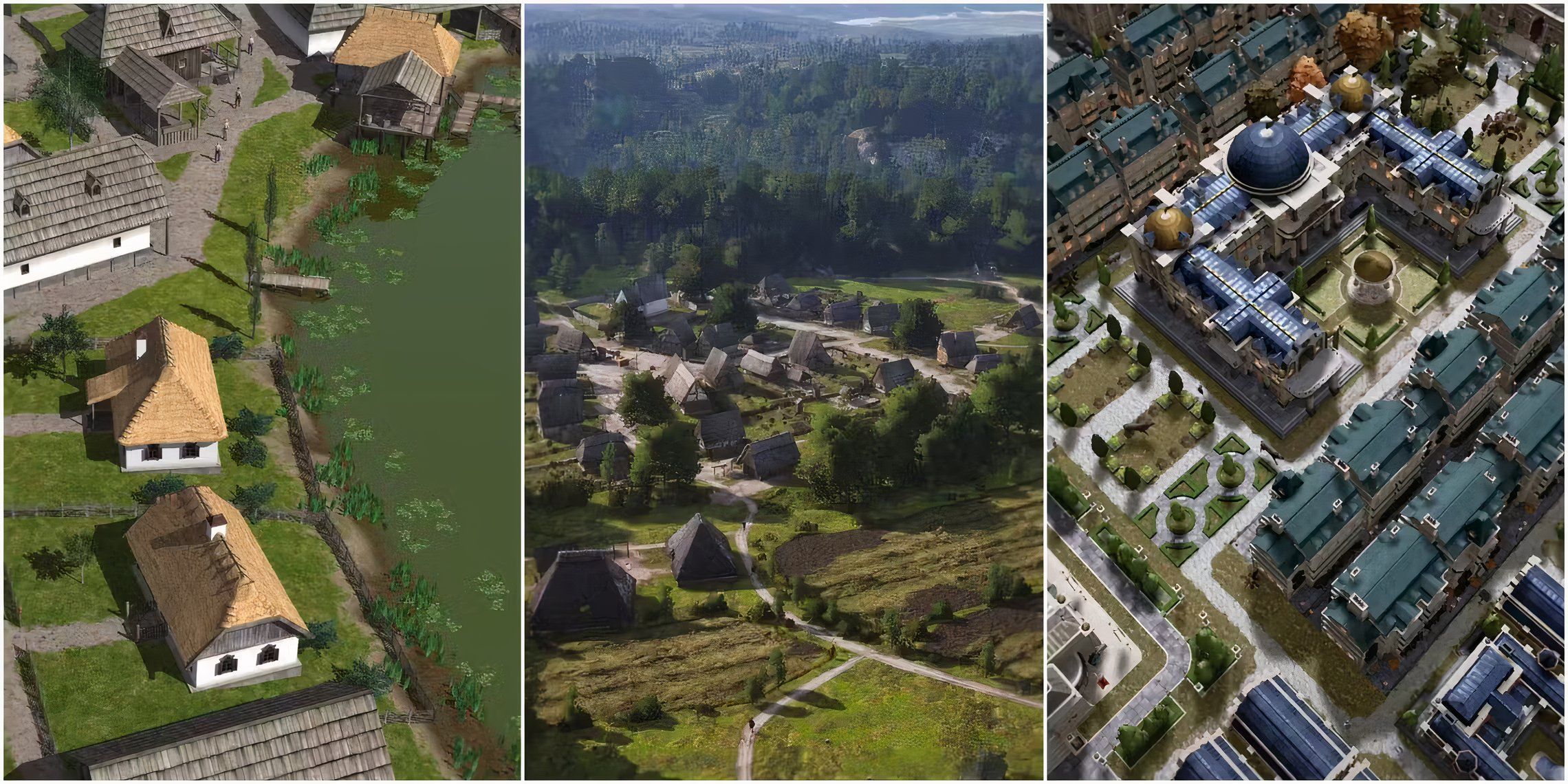
Few gaming consoles embraced the charm of slow-burn strategy quite like the PlayStation 2. While most players remember it for action titles and cinematic RPGs, a quiet revolution happened in a niche corner: city building games. On a platform dominated by fast-paced gameplay, city builders demanded patience, foresight, and a love for systems. These games didn’t just entertain—they taught resource management, urban planning, and the consequences of poor infrastructure.
The PS2 era brought city building to consoles at a time when such games were still seen as PC-only territory. Developers adapted complex mechanics into controller-friendly formats, laying the foundation for strategy on consoles. This article explores the standout PS2 city building games, their strengths, limitations, and why they still resonate with fans today.
Why City Building on PS2 Was a Technical Feat
Bringing city simulation to a console in the early 2000s wasn’t simple. The PS2 had limited RAM and a unique architecture that made porting PC-style games difficult. Yet, developers managed to deliver surprisingly robust simulations.
Consider the challenge: managing thousands of AI-driven citizens, traffic systems, pollution models, and economic balancing—all with a controller. Early attempts often suffered from clunky interfaces or oversimplified mechanics. But when done right, the results were immersive and deeply satisfying.
The PS2’s controller forced clever UI design. Developers used radial menus, zoom layers, and context-sensitive buttons to replace the mouse precision of PC counterparts. Some games leaned into the console’s strengths—like full 3D camera control or voice-guided tutorials—to make city management feel intuitive.
But limitations were real. Smaller city sizes, reduced AI depth, and fewer modding options meant these games couldn’t match their PC siblings in scale. Still, they succeeded in making urban planning accessible and engaging for console gamers.
SimCity 4: Rush Hour – The Crown Jewel
When people think of PS2 city building games, SimCity 4: Rush Hour stands tall. A port of the acclaimed PC title, it brought unprecedented depth to the console.
Unlike earlier SimCity entries, this version introduced regional play—allowing multiple interconnected cities. You could build a commuter town that fed workers into a downtown metropolis, each with its own tax policies and infrastructure needs. This introduced real-world urban dynamics rarely seen in console strategy games.
Key features: - Full 3D camera with free rotation and zoom - Traffic simulation with detailed AI - Public transportation systems (subways, buses, rail) - Disasters and expansions (via Rush Hour add-on)
While the core gameplay stayed true, the console adaptation wasn’t perfect. The interface, though improved with controller mapping, still felt sluggish during dense city edits. Placing zones or roads required patience, and the lack of a mouse made fine adjustments tedious.
Still, SimCity 4: Rush Hour delivered the closest thing to a full city-building experience on PS2. For many, it remains the definitive console city sim.
The Rise of Alternatives: Beyond SimCity
While SimCity dominated the genre, other developers experimented with fresh approaches. The PS2 saw a handful of underrated city builders that offered unique spins on urban development.
These alternatives often traded realism for accessibility or theme, making them appealing to casual strategy fans. They proved that city building didn’t have to mimic real-world planning to be fun.
Let’s look at five standout non-SimCity city building games on PS2:
| Game Title | Developer | Unique Feature | Playstyle |
|---|---|---|---|
| Civilization III: Complete | Infogrames | Turn-based empire development | Strategic expansion over centuries |
| Pharaoh | Vivendi Universal | Ancient Egyptian city planning | Theme-driven with resource chains |
| Caesar III | Sierra | Roman urban management | Trade-focused with military zones |
| Zeus: Master of Olympus | Sierra | Greek mythology integration | Gods influence city growth |
| Empire Earth | Stainless Steel Studios | Era progression from stone age to space | Massive scale with tech evolution |
These titles weren’t pure city builders—they blended empire management, war, and economic strategy. But at their core, they revolved around city planning, resource flow, and population satisfaction.
Pharaoh, for example, required players to manage intricate food supply chains, religious districts, and floodplains along the Nile. It wasn’t just about zoning—it was about understanding ancient Egyptian life.
Caesar III took a similar approach but added military outposts and political reputation. Your city’s success wasn’t just economic—it was diplomatic.
These games showed that city building could thrive in historical settings, offering narrative depth alongside simulation.
Interface Challenges: Why Some Games Felt Clunky
One of the biggest hurdles for PS2 city builders was interface design. Without a mouse, selecting zones, dragging roads, or managing budgets became exercises in patience.
Take SimCity 4. On PC, you could click and drag a road in seconds. On PS2, you used a cursor moved with the analog stick, often overshooting your target. Building complex interchanges or precise grids was frustrating.
Developers used workarounds: - Snap-to-grid systems to reduce misplacement - Quick-menu wheels for frequent actions - Zoom presets to switch between macro and micro views - Voice prompts (in SimCity 4) to guide new players
Still, these couldn’t fully replace mouse precision. New players often made common mistakes: - Over-zoning residential areas too early, causing traffic jams - Ignoring water and power coverage, leading to abandonment - Neglecting public services, resulting in crime spikes
A practical tip: start small. Build a compact town with balanced services before expanding. Use the pause function to plan large projects. And always monitor your budget—the instant you go into debt, growth stalls.
Hidden Gems and Regional Exclusives
Some of the best city builders on PS2 never made it to North America. Japan, in particular, embraced urban sims with unique twists.
Shin Sangokumusou: Multi Raid isn’t a city builder in the traditional sense, but its base-building mode lets players construct and upgrade military outposts in a Dynasty Warriors setting. It’s a hybrid of action and strategy, showing how city mechanics could blend into other genres.
Another overlooked title is Disaster Report, which, while primarily a survival game, includes city decay mechanics. You navigate a collapsing city, observing how infrastructure fails during disasters—a dark mirror to typical city-building optimism.
These games highlight a key truth: city building isn’t just about growth. It’s about systems, resilience, and cause-and-effect. Even non-traditional titles contributed to the genre’s evolution on PS2.
Why These Games Still Matter Today
Modern city builders like Cities: Skylines dominate the genre now, but the PS2 era laid crucial groundwork. It proved that console players would engage with deep, systems-driven games.
More importantly, these titles shaped how strategy games adapt to controllers. Lessons from SimCity 4’s UI influenced later console ports. The balance between depth and accessibility established in PS2 city builders still guides developers today.
For retro gamers and simulation fans, revisiting these titles offers more than nostalgia. It’s a lesson in design economy—how to deliver rich gameplay within strict hardware limits.
Emulation has made many of these games accessible again, with community patches improving speed and stability. Some even run better on modern hardware than they did on original discs.
How to Get Started
with PS2 City Builders Today
Want to dive in? Here’s a practical workflow:
- Pick a starting game: Begin with SimCity 4: Rush Hour for realism, or Pharaoh for themed gameplay.
- Use a reliable emulator: PCSX2 is the most stable option. Enable speed hacks if needed.
- Map your controller: Customize button layouts for menus, camera, and build tools.
- Start a tutorial city: Most games include guided scenarios—don’t skip them.
- Save early, save often: Unexpected crashes were common on original hardware.
- Join forums: Communities like r/ps2 or SimCityLegacy offer mods, tips, and saves.
Avoid the trap of building too fast. Let your city grow organically. Watch traffic flow. Adjust taxes based on demand. Treat it like a living system, not a checklist.
Final Thoughts
The PS2 may not have been the first platform you think of for city building, but it hosted some of the genre’s most ambitious console experiments. From the depth of SimCity 4 to the thematic richness of Pharaoh and Caesar III, these games offered more than just entertainment—they were quiet teachers of systems thinking.
They weren’t perfect. They had janky controls, limited scale, and occasional bugs. But they also had soul. They invited players to dream, plan, and rebuild—often from the ashes of their own mistakes.
If you’re looking for a challenge that rewards patience and creativity, revisit these classics. The best PS2 city building games weren’t just products of their time. They were pioneers.
Frequently Asked Questions
What is the best city building game on PS2? SimCity 4: Rush Hour is widely considered the best due to its depth, 3D engine, and regional gameplay.
Can you play PS2 city builders on modern consoles? Not natively. However, you can use the PCSX2 emulator on PC to play them with enhanced performance.
Is SimCity 3000 available on PS2? No. The PS2 version skipped SimCity 3000 and launched directly with SimCity 4: Rush Hour.
Do these games support multiplayer? Most are single-player only. The focus was on solo city management and long-term planning.
Were any PS2 city builders released only in Japan? Yes. Titles like Shin Sangokumusou’s base-building mode and various simulation spin-offs were Japan-exclusive.
How do PS2 city builders compare to modern ones like Cities: Skylines? They’re less complex and smaller in scale but offer tighter design and are optimized for console play.
Can you mod PS2 city building games? Not easily on original hardware. But PC versions of games like SimCity 4 have strong modding communities, and some assets can be used in emulated versions.
FAQ
What should you look for in Best PS2 City Building Games That Defined a Generation? Focus on relevance, practical value, and how well the solution matches real user intent.
Is Best PS2 City Building Games That Defined a Generation suitable for beginners? That depends on the workflow, but a clear step-by-step approach usually makes it easier to start.
How do you compare options around Best PS2 City Building Games That Defined a Generation? Compare features, trust signals, limitations, pricing, and ease of implementation.
What mistakes should you avoid? Avoid generic choices, weak validation, and decisions based only on marketing claims.
What is the next best step? Shortlist the most relevant options, validate them quickly, and refine from real-world results.