Safety on the job site doesn’t happen by accident—it’s built through consistent communication, clear expectations, and daily reinforcement. One of the most effective tools for maintaining that culture is the safety toolbox talk. Yet, despite their importance, many supervisors and safety officers struggle to find relevant, engaging, and compliant topics—especially in ready-to-use formats like PDFs.
A “safety toolbox talk topics PDF download” isn’t just a convenience—it’s a practical necessity. These documents serve as structured guides for short, focused safety meetings that address real hazards, promote team awareness, and reduce incidents. The best ones combine clarity, visual appeal, and immediate applicability.
Here’s how to identify, use, and distribute high-quality toolbox talk content—plus where to find reliable PDF downloads that actually work in the field.
Why Toolbox Talks Matter More Than Ever
Toolbox talks are brief safety meetings—usually 10 to 15 minutes—held at the start of a shift or before beginning a specific task. They’re designed to spotlight immediate hazards, reinforce procedures, and encourage employee participation in safety.
These talks are especially critical in industries like construction, manufacturing, utilities, and oil and gas, where conditions change daily and high-risk tasks are routine. A well-run toolbox talk can prevent miscommunication, correct unsafe behavior, and promote a proactive safety mindset.
Yet many teams still treat them as a box-ticking exercise. Generic topics, poor formatting, or lack of relevance turn what should be engaging discussions into monotonous lectures. This is where a solid safety toolbox talk topics PDF download makes a difference: it provides structure, consistency, and professionalism.
When workers see that safety is taken seriously—with prepared materials, clear visuals, and documented follow-up—they’re more likely to engage.
What Makes a Good Toolbox Talk PDF?
Not all PDFs are created equal. A high-quality safety toolbox talk PDF should be:
- Concise: Focused on one topic, no more than 2 pages
- Actionable: Includes discussion prompts, real-world examples, and prevention tips
- Visually clean: Uses bullet points, icons, and clear headings
- Customizable: Allows for site-specific notes or company branding
- Compliant: Aligns with OSHA, ANSI, or other regulatory standards
For example, a toolbox talk on “working at height” shouldn’t just list hazards. It should include: - A checklist of PPE required - Common mistakes (e.g., improper harness use) - A scenario: “A worker ties off to a guardrail—why is this unsafe?” - Space for attendees to sign
The best PDFs are designed to be printed, projected, or shared digitally—without losing readability. They’re also archived for compliance audits.
Top 7 Safety Toolbox Talk Topics You Should Download
When selecting a safety toolbox talk topics PDF download, prioritize relevance and frequency of risk. These seven topics are consistently valuable across industries:
- Fall Protection
- Covers harness use, anchor points, ladder safety, and roof edge awareness. Critical in construction and maintenance.
- Hazard Communication (HazCom)
- Focuses on chemical labeling, SDS access, and proper handling. Essential in manufacturing and labs.
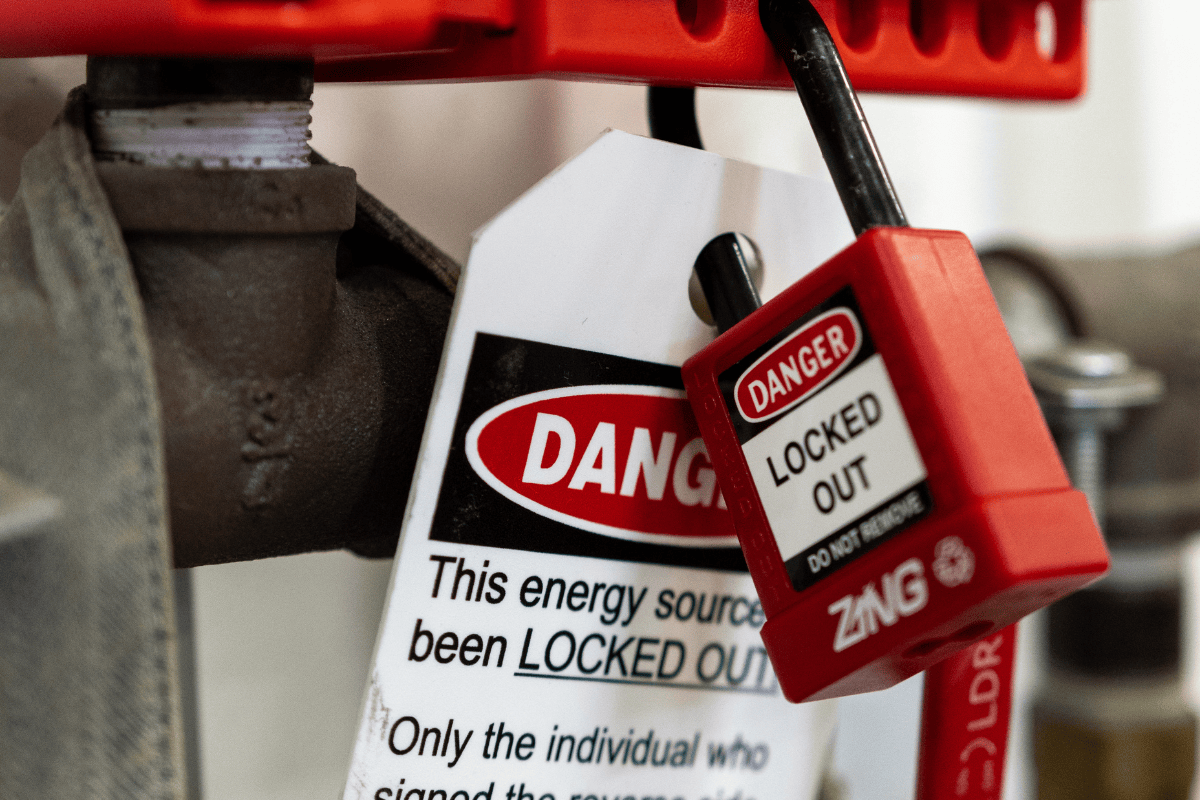
- Lockout/Tagout (LOTO)
- Addresses energy control procedures before equipment servicing. One of the most cited OSHA violations.
- Electrical Safety
- Discusses overhead power lines, damaged cords, and arc flash risks. Vital for electricians and equipment operators.
- Personal Protective Equipment (PPE)
- Reviews correct selection, inspection, and use of gloves, helmets, respirators, etc.
- Slips, Trips, and Falls
- Often overlooked, but a leading cause of non-fatal injuries. Includes housekeeping and proper footwear.
- Heat Stress and Hydration
- Especially crucial in summer months or confined spaces. Covers symptoms, prevention, and emergency response.
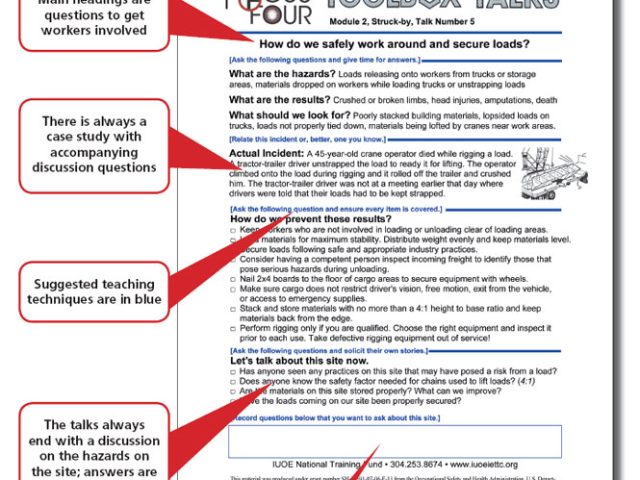
Each of these topics should come with a dedicated PDF that includes: - A brief hazard overview - Discussion questions - Real incident example (anonymous) - Sign-off sheet
Where to Find Reliable PDF Downloads
Many free toolbox talk PDFs float around the web—but quality varies. Some are outdated, too generic, or lack practical depth. Here are five trusted sources for safety toolbox talk topics PDF downloads:
| Source | Best For | Format | Customization? |
|---|---|---|---|
| OSHA.gov | Regulatory alignment | Plain text, printable PDF | Limited |
| SafetyNow | Industry-specific packs | Editable PDF, PPT | Yes (branded versions) |
| Creative Safety Supply | Visual-heavy templates | Clean PDF, multilingual | Yes |
| EHS Daily Advisor | Weekly updated topics | PDF + email delivery | Moderate |
| HazMat USA | High-risk sectors (oil, gas, utilities) | Detailed, technical PDFs | Yes |
Pro Tip: Always verify that the content matches your worksite conditions. A toolbox talk on trenching won’t help a warehouse team—but one on forklift pedestrian separation will.
Also, consider using a mix of free and premium resources. While OSHA offers solid basics, paid platforms often include editable fields, company branding, and incident tracking features.
How to Run an Effective Toolbox Talk
Having a great PDF is only half the battle. Delivery matters just as much.
Avoid reading the document verbatim. Instead: - Start with a question: “How many of you have seen someone bypass a machine guard?” - Use the PDF as a guide, not a script - Encourage participation: Ask for near-miss stories or safety suggestions - Document attendance: Have everyone sign the PDF sheet - Follow up: If someone reports a faulty ladder, act on it—and let the team know
One common mistake? Holding talks in noisy, distracting environments. Move the group to a quiet area, even if it’s just under a canopy. Another pitfall: repeating the same topics without variation. Rotate content monthly and refresh based on incident trends.
For example, if your site has two close calls involving forklifts in one month, make that your next three toolbox talks—covering speed, horn use, blind spots, and pedestrian zones.
Common Mistakes to Avoid
Even experienced safety leaders fall into traps that reduce the impact of toolbox talks:

- Using outdated PDFs: A 2015 document might not reflect current PPE standards or equipment.
- Ignoring worker input: Top-down talks feel like lectures. Ask your team what topics they want covered.
- Skipping documentation: No signature sheet? OSHA won’t believe the talk happened.
- Poor timing: Holding a talk after a long shift when people are tired reduces engagement.
- One-size-fits-all content: A talk for office staff shouldn’t mirror one for welders.
Also, avoid “death by PowerPoint.” Just because a PDF exists doesn’t mean it needs to be projected. Print copies, hand them out, and talk around them.
Integrating PDFs Into Your Safety Program
Toolbox talk PDFs shouldn’t be isolated documents—they’re part of a larger safety ecosystem.
Best practice: - Store all PDFs in a shared drive or EHS software - Schedule topics monthly based on risk calendar - Archive signed sheets digitally - Review past topics quarterly for recurring issues
Some companies use a “topic wheel” that rotates through 52 weekly subjects. Others tie talks to new equipment, seasonal hazards, or post-incident reviews.
For example, after a minor electrical shock, the next week’s talk covers lockout/tagout—and the PDF includes a breakdown of what went wrong (without naming individuals).
This turns reactive moments into proactive training.
Make Your Own: Custom Toolbox Talk PDFs
You don’t always have to download. Creating your own PDFs ensures relevance and ownership.
- Steps:
- Choose a recurring hazard at your site
- Draft 4–5 key points (hazards, controls, PPE)
- Add 2–3 discussion questions
- Include a real photo from your site (e.g., “What’s wrong with this setup?”)
- Format in Word or Canva, export as PDF
- Add company logo and site name
Tools like Canva, Adobe Express, or even Microsoft Word have templates that make professional design easy. The goal isn’t perfection—it’s clarity and usability.
Once created, share the PDF with supervisors and add it to your master library.
Final Thoughts: Quality Over Quantity
A safety toolbox talk topics PDF download is more than a handout—it’s a tool for cultural change. The right document keeps teams informed, involved, and alert to risks.
But don’t just download and forget. Curate your collection. Rotate topics. Encourage discussion. And always tie the talk back to real work conditions.
When done right, a 10-minute meeting can prevent a lifetime of injury.
FAQ
Where can I get free safety toolbox talk topics PDF downloads? OSHA.gov offers free, downloadable toolbox talk templates. Industry associations and safety suppliers like Creative Safety Supply also provide no-cost PDFs.
How often should toolbox talks be held? At minimum, once per week. High-risk sites may hold them daily. Consistency matters more than frequency.
Can I edit a downloaded toolbox talk PDF? Some PDFs are editable; others require conversion to Word. Always check usage rights before modifying branded content.
Do toolbox talks need to be signed? Yes. Signed attendance sheets prove compliance during OSHA inspections and internal audits.
Should every employee attend? Yes—especially those directly involved in the task being discussed. Include subcontractors when relevant.
How long should a toolbox talk last? Keep it between 10 and 15 minutes. Focus on one clear topic to maintain engagement.
What if no one talks during the meeting? Ask direct, open-ended questions. Use real scenarios. Break the ice with, “Tell me about a time you saw something unsafe.”
FAQ
What should you look for in Safety Toolbox Talk Topics PDF Download Guide? Focus on relevance, practical value, and how well the solution matches real user intent.
Is Safety Toolbox Talk Topics PDF Download Guide suitable for beginners? That depends on the workflow, but a clear step-by-step approach usually makes it easier to start.
How do you compare options around Safety Toolbox Talk Topics PDF Download Guide? Compare features, trust signals, limitations, pricing, and ease of implementation.
What mistakes should you avoid? Avoid generic choices, weak validation, and decisions based only on marketing claims.
What is the next best step? Shortlist the most relevant options, validate them quickly, and refine from real-world results.