The Michael Jackson movie doesn’t just fall short—it fundamentally misunderstands what a biopic should do. Instead of illuminating the man behind the music, the myth, and the media firestorms, it offers a sanitized, surface-level performance that avoids the very complexities that defined Jackson’s life. A biopic’s core duty isn’t to glorify or condemn, but to explore. And on this count, the film fails outright.
This isn’t just another underwhelming music movie. It’s a case study in how not to handle a legacy as fraught and fascinating as Michael Jackson’s. The film sidesteps controversy, flattens emotional arcs, and reduces a paradoxical genius to a series of choreographed moments. In doing so, it betrays both its subject and its audience.
A Biopic’s First Duty: Truth in Complexity
A successful biopic doesn’t need to be definitive, but it must grapple with contradiction. Think of Ray or Walk the Line—films that balanced admiration with unflinching honesty. They showed addiction, ego, brilliance, and downfall without reducing their subjects to caricatures.
The Michael Jackson movie dodges this responsibility. It presents Jackson as a victim—of the media, of the justice system, of public perception—but never as an active participant in his own narrative. There’s no introspection into his changing appearance, his parenting choices, or his isolation. The film treats these not as threads to pull, but landmines to avoid.
Compare this to Leaving Neverland, a documentary that sparked global debate. Whether one agrees with its claims or not, it at least attempted to engage with the discomfort. The biopic, by contrast, wraps Jackson in a protective bubble, mistaking reverence for depth.
Result? A portrait so polished it feels inhuman. The real Jackson was many things: visionary, vulnerable, eccentric, elusive. This version is just there—performing, reacting, but never evolving.
The Problem of Omission: What the Film Chooses to Ignore
Biopics aren’t documentaries. They can’t cover every event. But selective storytelling must serve insight, not evasion.
This film omits or glosses over key turning points: - The 1993 allegations and their impact on his psyche - The evolution of his facial features and the public reaction - His financial decline and mounting debt - The fractious relationship with his father, Joe Jackson - The isolation of Neverland and what it symbolized
These aren’t side notes—they’re central to understanding Jackson’s psychology. By skipping them, the film implies they don’t matter. Worse, it suggests Jackson’s legacy can be preserved only by pretending these things didn’t happen.
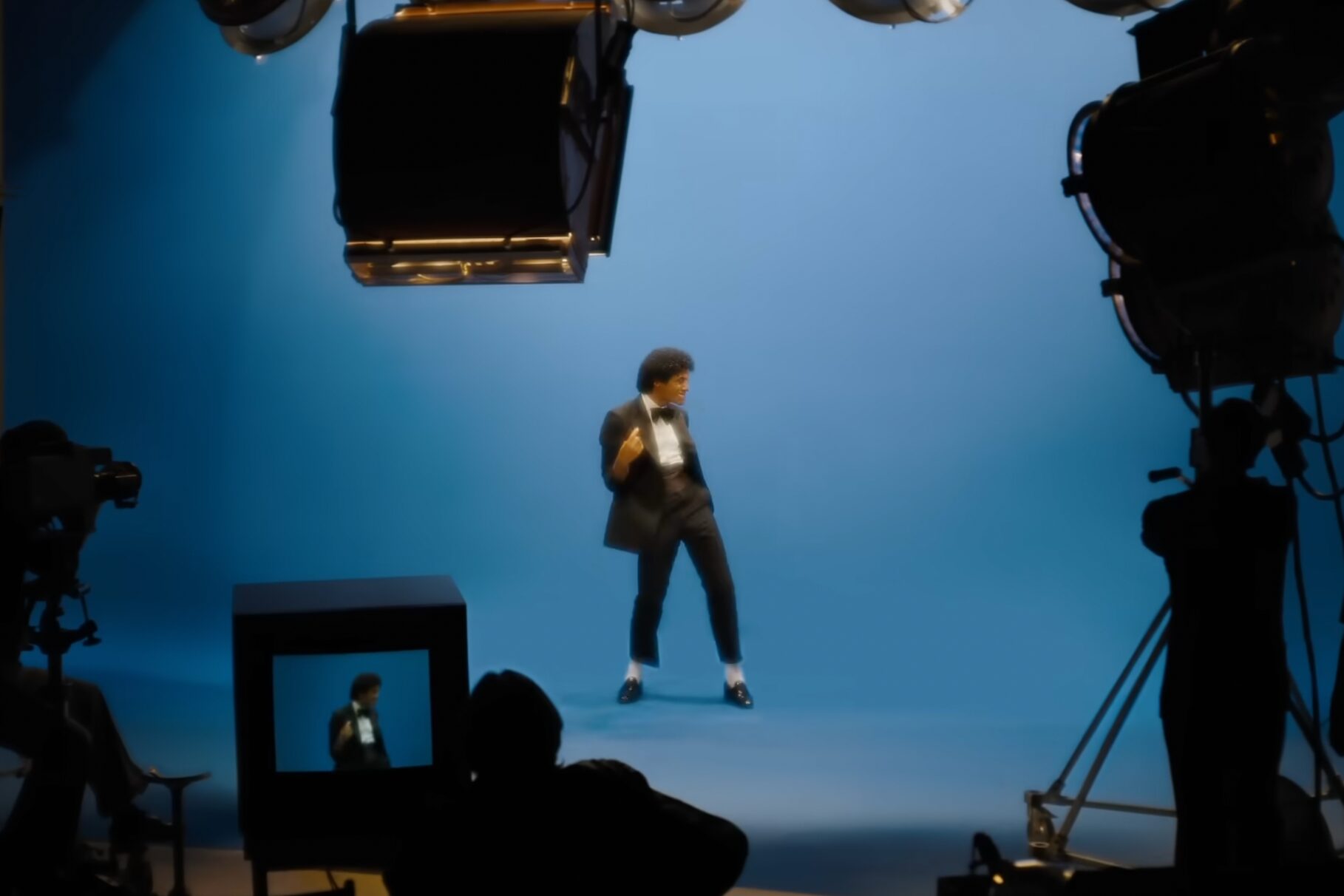
Consider the scene where young Michael dances for his family. It’s tender, nostalgic. But where’s the tension? The pressure? The fear of failure under Joe’s stern gaze? Without these layers, the moment feels like fan service, not storytelling.
Audiences aren’t naive. They know Jackson’s story is messy. A mature biopic would use that knowledge, not run from it. Instead, we get a highlight reel—with the dark footage left on the cutting room floor.
Performance Without Insight: The Lead Actor’s Dilemma
The actor playing Jackson delivers a technically impressive performance. The voice, the mannerisms, the glove, the glide—it’s all there. But mimicry isn’t meaning.
Great portrayals don’t just look like the person—they make you feel them. Jamie Foxx in Ray didn’t just sing like Ray Charles; he communicated his defiance, his pain, his dependency. The Jackson portrayal lacks that inner life.
Take the courtroom scenes. In real life, Jackson’s 2005 trial was a circus of spectacle and suspense. The film reduces it to a few tense glances and a dramatic exit. No legal strategy, no personal dread, no sense of a man fighting for his identity.
Worse, the film offers no counterpoint. We never see Jackson alone, reflecting. We don’t hear his internal monologue. We don’t witness his creative process beyond brief studio snippets. The result is a man observed, not understood.
This isn’t just a failure of performance—it’s a failure of writing and direction. The script gives the actor little to work with beyond surface behavior.
The Estate’s Role: Protection Over Portrayal
It’s no secret that the Jackson estate approved and supported this film. That’s not inherently a problem—many estates collaborate on biopics. But when involvement becomes control, art becomes promotion.
Compare this to the Lennon estate’s hands-off approach with Nowhere Boy. Or the Bowie family’s silence around Stardust. These films took risks. They showed flaws. They weren’t authorized, and they were better for it.
The Michael Jackson movie reads like legacy management. Every scene feels vetted, every quote curated. The goal isn’t revelation—it’s rehabilitation.
And that’s the tragedy. Jackson deserves more than a PR campaign disguised as cinema. He deserves a film willing to ask hard questions: - How did fame warp him? - What did he sacrifice for art? - Where did genius shade into delusion?
Instead, we get answers like “the world misunderstood him”—a refrain repeated so often it starts to sound like a slogan.
Why This Matters Beyond One Film

This isn’t just about one bad movie. It’s about a trend in celebrity biopics: the rise of the “authorized” narrative. Studios, wary of lawsuits and backlash, partner with estates to produce safe, anodyne films that avoid controversy at all costs.
The cost? Authenticity.
Recent examples include: - Elvis (2022): praised, but still filtered through Priscilla’s perspective and estate approval - A Complete Unknown (Dylan biopic): facing legal pushback for creative liberties - Bob Marley: One Love: accused of downplaying Marley’s political edge and personal conflicts
The pattern is clear: the closer a film is to estate control, the less likely it is to challenge the myth.
Jackson’s story, more than most, demands challenge. He was a Black child star in a white-dominated industry. A global icon who couldn’t walk outside. A man who redefined pop music while struggling to define himself.
A real biopic would explore that tension. This one smooths it over.
What a Better Michael Jackson Film Could Look Like
Imagine a biopic that opens not on stage, but in a recording studio at 3 a.m. Jackson, alone, looping a beat, whispering vocals, obsessing over a snare sound. Not performing—creating.
Then, flash to a childhood memory: 8-year-old Michael singing “Who’s Lovin’ You” with tears in his eyes, Joe yelling “Again!” from the back of the room.
Weaving timelines like this—showing the roots of perfectionism, the cost of early fame, the blur between art and escape—would offer real insight.
Include interviews with dancers, engineers, childhood friends—voices that knew him but weren’t family. Show the 1993 settlement not as a scandal, but as a moment of psychological fracture.
Depict the making of Thriller not as triumph, but as pressure cooker. The weight of expectation. The fear of becoming irrelevant.
And yes—address the allegations, not to condemn, but to explore how they haunted him, changed him, isolated him further.
This kind of film wouldn’t have all the answers. But it would respect the audience enough to ask the questions.
Conclusion: Biopics Should Illuminate, Not Idealize
The Michael Jackson movie fails at the basic duty of a biopic because it confuses tribute with truth. It’s not enough to reenact the moonwalk—you have to explain why he needed to float above the ground in the first place.
Jackson’s life was a collision of race, fame, trauma, and genius. A true biopic would lean into that complexity, not retreat from it.
Until then, we’re left with a film that looks like Jackson, sounds like Jackson, but feels nothing like him.
For filmmakers and fans alike: stop protecting the legend. Start understanding the man.
Frequently Asked Questions
Why is the Michael Jackson movie considered a poor biopic? Because it avoids the contradictions and controversies that defined Jackson’s life, opting for a sanitized, surface-level portrayal over emotional or psychological depth.
Did the Jackson estate influence the film’s direction? Yes—the estate was heavily involved, leading to a narrative that prioritizes image rehabilitation over honest storytelling.
How does this biopic compare to other music films like Ray or Walk the Line? Unlike those films, which balanced admiration with critical honesty, the Jackson movie lacks introspection and sidesteps difficult truths.
Does the lead actor capture Michael Jackson well? Technically, yes—the mimicry of voice and movement is strong. But the performance lacks inner life and emotional depth.
What key events does the film ignore? It downplays or omits the 1993 allegations, Jackson’s changing appearance, financial troubles, relationship with his father, and the isolation of Neverland.
Can a biopic about Jackson ever be fair or accurate? It’s challenging, but possible—with creative independence, narrative courage, and a willingness to embrace complexity over myth.
What should a better Michael Jackson biopic include? A deeper look at his childhood trauma, creative process, psychological struggles, and the societal forces that shaped his rise and downfall.
FAQ
What should you look for in Why the Michael Jackson Movie Misses the Biopic Mark? Focus on relevance, practical value, and how well the solution matches real user intent.
Is Why the Michael Jackson Movie Misses the Biopic Mark suitable for beginners? That depends on the workflow, but a clear step-by-step approach usually makes it easier to start.
How do you compare options around Why the Michael Jackson Movie Misses the Biopic Mark? Compare features, trust signals, limitations, pricing, and ease of implementation.
What mistakes should you avoid? Avoid generic choices, weak validation, and decisions based only on marketing claims.
What is the next best step? Shortlist the most relevant options, validate them quickly, and refine from real-world results.